Signs Your Roof Needs Replacing – Riverview FL
Your roof is the one part of your home you almost never look at — until it fails. In Riverview, Florida, that’s a bigger risk than most homeowners realize. Our roofs don’t just deal with rain and wind. They sit under some of the most punishing UV exposure in the country, bake through months of 90-degree heat and humidity, then get hammered by tropical storms and hurricane season every single year.
That combination ages a roof faster here than almost anywhere else in the United States. An asphalt shingle roof rated for 20–25 years nationally will often show serious wear in Riverview by year 15. By the time a leak shows up on your ceiling, the damage underneath has usually been building for months.
Here are the seven warning signs we see most often on Riverview roofs — and what each one means for you.
1. Your Roof Is 15+ Years Old
Age is the simplest and most honest indicator. In Florida’s climate, the practical lifespan of common roofing materials looks like this:
- 3-tab asphalt shingles: 10–15 years
- Architectural (dimensional) shingles: 15–22 years
- Metal roofing: 40–60 years
- Concrete or clay tile: 40–50+ years (though the underlayment beneath tile often needs attention around year 20–25)
If your home was built during Riverview’s big growth waves — the late 1990s through the mid-2000s in communities like Summerfield, Panther Trace, or Bloomingdale-adjacent neighborhoods — and the roof is original, it is living on borrowed time even if it looks fine from the driveway. If you don’t know your roof’s age, check your closing documents, ask your insurance company (roof age is one of the first things they ask about), or have a roofer estimate it during an inspection.
2. Shingles Are Curling, Cracking, or Missing
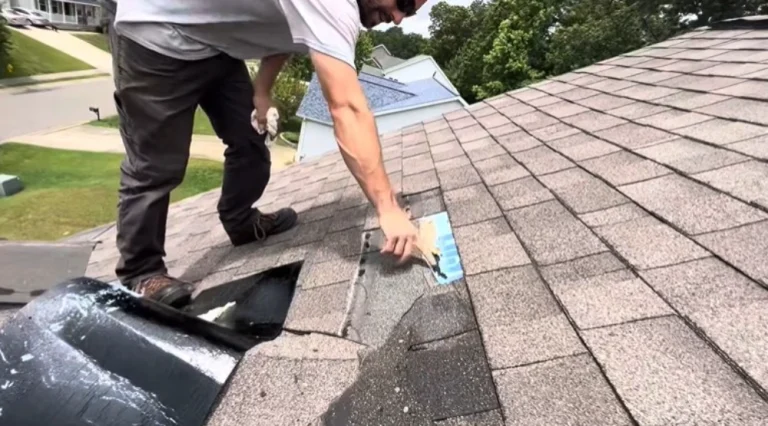
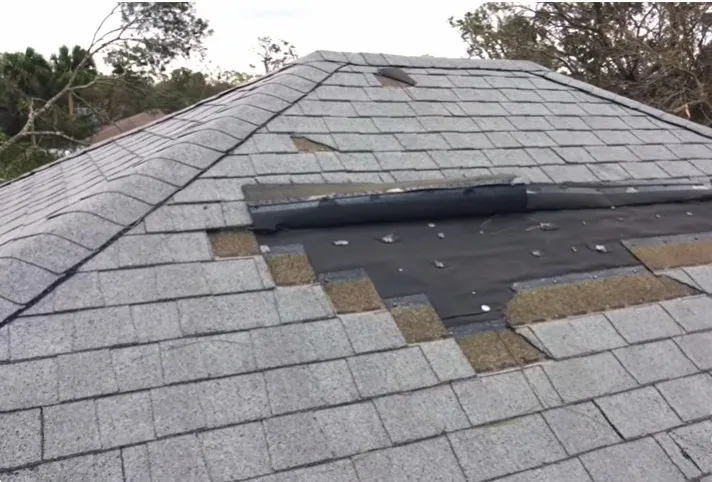
Walk around your house and look up. Healthy shingles lie flat and uniform. Florida’s relentless sun cooks the asphalt in shingles, making them brittle — then a strong afternoon thunderstorm or tropical system finishes the job. Watch for:
- Curling edges (cupping upward or clawing downward)
- Cracked or split shingles
- Bald spots where granules have worn away, exposing the dark underlayer
- Missing shingles, especially after a storm
Any one of these means the shingles have lost their ability to shed water properly — even if you don’t see an active leak yet. A few damaged shingles can be repaired; widespread curling or cracking across multiple slopes means the whole system is done.
3. Granules Are Piling Up in Your Gutters
Asphalt shingles are coated with mineral granules that protect them from UV rays. As a roof ages — especially in Florida heat — those granules shed and wash into gutters and downspouts, where they collect like coarse, dark sand. A little granule loss right after installation is normal. A steady, ongoing buildup year after year means your shingles are past their protective lifespan and the asphalt underneath is now taking direct UV damage.
4. Dark Streaks and Algae on Your Roof
Those black streaks running down many Florida roofs aren’t dirt — they’re Gloeocapsa magma, a blue-green algae that thrives in our humidity and feeds on the limestone filler in asphalt shingles. On their own, algae streaks are mostly cosmetic. But they signal a roof that’s been holding moisture for a long time, and they hold water against the shingle surface, accelerating wear. Heavy, widespread algae growth on an older roof is one more sign the system is tired — and it’s worth noting that some premium shingles come with algae-resistant copper granules, something to ask about when you replace.
5. Your Roofline Is Sagging
Stand across the street and look at your roofline. It should be straight. Any dip, sag, or wavy section is a structural red flag — it usually means the decking underneath has rotted from long-term moisture intrusion or the framing has been compromised. This is not a cosmetic issue and not something to watch and wait on. A sagging roof needs a professional inspection immediately, because it can indicate a partial collapse risk.
6. Leaks, Water Stains, or Daylight in the Attic
By the time water shows up inside your home, the roof has been failing for a while. Check for:
- Water stains on ceilings or walls (often yellowish-brown rings)
- Peeling paint or bubbling drywall near the ceiling
- A musty smell in the attic or upper rooms
- Daylight visible through the roof boards when you’re in the attic on a sunny day — if light gets through, water can too
One small, isolated leak around a vent pipe or chimney flashing can often be repaired. But multiple leak points, recurring leaks after repairs, or stains spreading across large areas usually point to system-wide failure — which means replacement, not another patch.
7. Your Energy Bills Have Crept Up
A failing roof often means failing ventilation and insulation underneath it. Florida attics get brutally hot, and a proper roofing system includes balanced intake and exhaust ventilation that lets that heat escape. When shingles deteriorate, underlayment breaks down, or ventilation was never adequate, your air conditioner works overtime all summer. If your electric bills have been climbing with no other explanation — same thermostat habits, same appliances — your roof deserves a look alongside your HVAC system.
A Bonus Sign: Your Neighbors Are Getting New Roofs
This sounds anecdotal, but it’s genuinely useful in Riverview. Entire subdivisions here were built in waves, which means hundreds of homes got roofs in the same year and have weathered the same storms. If several homes on your street are getting new roofs, it’s a strong signal yours is in the same age window — a good time to get an inspection so you know where you stand, even if replacement isn’t urgent yet.
Repair or Replace? How to Decide
Not every sign above means you need a full replacement tomorrow. The honest framework:
- Repair usually makes sense when the roof is relatively young, damage is isolated (one slope, one leak around a pipe boot), and the rest of the system is healthy.
- Replacement usually makes sense when the roof is near or past its expected Florida lifespan, damage is widespread across multiple areas, you’ve had several repairs in recent years and problems keep coming back, or an inspection reveals rotted decking or structural issues underneath.
The only reliable way to know is a professional inspection. Diagnosing a roof from the ground — or from photos — misses the underlayment, decking, and flashing details that determine whether a repair will hold or you’re throwing money at a roof that needs replacement anyway.
Wondering what a new roof will run? See our 2026 guide to roof replacement cost in Riverview FL.
What About Insurance?
A common question: will homeowners insurance cover a replacement? It depends on the cause. Sudden storm or wind damage is commonly covered; age and normal wear almost never are. If a recent storm hit Riverview and your roof shows damage, document it and talk to your insurer promptly — and consider having a roofer inspect first so you know exactly what you’re dealing with before the adjuster arrives.
If a storm caused the damage, see our 6-step guide to filing a roof insurance claim in Florida before you talk to your insurer.
Don’t Wait for the Ceiling Stain
The most expensive roof problems we see in Riverview, Brandon, Valrico, Gibsonton, Apollo Beach, and Ruskin all start the same way: a homeowner noticed a warning sign and hoped it would hold a little longer. Water doesn’t negotiate. If two or more of these seven signs sound familiar, get a professional opinion now — while it’s still a planned project instead of an emergency.
Not sure where your roof stands? Call us any time, day or night.
We’ll give you a straight answer on whether your roof needs a repair, a replacement, or nothing at all right now.
Riverview FL Roofing Contractor | 10517 Riverview Dr, Riverview, FL 33578