New Homeowner Roofing Checklist – Riverview FL
Just bought — or about to buy — a home in Riverview? In Florida, the roof decides your insurance premium, your insurability, and your hurricane readiness. Run this checklist before the ink dries.
Short answer: get the roof’s age, material, and permit history from the seller in writing; understand Florida’s 15-year insurance rule; schedule a wind mitigation inspection ($100–$150 in Tampa Bay) to unlock premium credits; get a real roof inspection covering the attic, flashing, and ventilation; and budget for your first-year maintenance before hurricane season.
In This Checklist
- Before closing: 7 questions for the seller
- Roof age & your Florida insurance
- The wind mitigation inspection (your discount key)
- The 4-point inspection
- What a real roof inspection must cover
- Know your material: shingle, tile, or metal
- Hurricane history & storm readiness
- HOA rules & permit history
- Your first-year maintenance plan
- New homeowner roofing FAQs
Before Closing: 7 Questions for the Seller
Everything about your roof starts with paperwork. Ask these during inspection contingency — in writing, through your agent:
- How old is the roof, exactly? Get the installation year, not “about 10 years.” The install date drives your insurance quotes.
- What material is it? Three-tab shingle, architectural shingle, tile, or metal — each has a different lifespan and insurance profile.
- Was it permitted? Ask for the permit number and final sign-off. Unpermitted roof work is a red flag for insurers and appraisers.
- Is any warranty transferable? Some transfer automatically; others need a form and a fee within 30–60 days of closing. Miss the window and it’s gone.
- Any past leaks, repairs, or claims? Ask for repair invoices and claim history. Patched leaks without paperwork deserve a closer look.
- When was the last professional inspection? If the answer is “never” or “years ago,” budget for one immediately (see #5).
⚠️ The seller’s insurance does not transfer to you. You’re applying as a brand-new customer, and the carrier will judge the roof exactly as it sits today — not as it was when the seller got their policy.
Roof Age & Your Florida Insurance
In Florida, roof age is the single biggest driver of your homeowners premium. Here’s how the rules actually work:
- Under 15 years: Florida law (Statute 627.7011) bars an insurer from refusing to issue or renew your policy solely because of the roof’s age.
- Over 15 years: the insurer can require a roof inspection at your expense. If it shows 5+ years of useful life remaining, the insurer can’t refuse renewal based on age alone.
- Carrier preferences (not law): many private carriers scrutinize shingle roofs around 15 years, tile around 20–25 years, metal around 30+ years. A 16-year-old shingle roof isn’t automatically uninsurable — but expect inspection requirements and higher quotes.
- Know your material’s clock: three-tab shingles ~15–20 years; architectural shingles 20–30; tile and metal 40–50+. A roof at 70% of its lifespan prices very differently than one at 30%.
Practical move: get insurance quotes during your inspection period using the actual roof age and material — not after closing. If the quotes come back ugly, that’s negotiating leverage with the seller, not a surprise after move-in. And if a carrier asks about the signs your roof needs replacing, you’ll already know the answer.
Bought a home and unsure about the roof?
One call gets you a full roof inspection across Riverview — attic to gutters, documented with photos.
📞 Call (813) 471-5632The Wind Mitigation Inspection (Your Discount Key)
This is the highest-ROI document a new Florida homeowner can get. A wind mitigation inspection — recorded on the state’s standard OIR-B1-1802 form — documents how well your home resists hurricane wind, and insurers are required by law to offer discounts for qualifying features.
- What it scores: building code year, roof covering, deck attachment (nail size/spacing), roof-to-wall connection (toe nails → clips → single/double wraps), roof shape (hip roofs earn far more credit than gables), secondary water resistance, and opening protection (impact windows/shutters on every opening — one unprotected window kills that credit).
- Cost & savings: roughly $100–$150 in Tampa Bay, report in a day or two; typical savings run in the hundreds per year, and the report is valid for 5 years.
- 2026 update: the OIR form was revised effective April 1, 2026, with tighter documentation. If the seller hands you an old report, check the date — and if you’ve replaced the roof or windows since, get a fresh one.
💡 Tip: Florida’s My Safe Florida Home program offers free wind mitigation inspections plus matching grants up to $10,000 toward hurricane-hardening upgrades (impact windows, shutters, roof tie-downs). Single-family homes with older permits qualify — check eligibility before you pay for upgrades yourself.
The 4-Point Inspection
Buying an older home? Your insurer will almost certainly require a 4-point inspection — typically for homes 25–30+ years old. It covers the four systems insurers care about most: roof, HVAC, electrical, and plumbing.
- It costs roughly $150–$250 and focuses on condition and remaining life, not code compliance.
- An aging roof, an outdated electrical panel, or a failing water heater can each delay or derail coverage.
- Schedule it during your inspection contingency so any bad news becomes a negotiation point, not a closing-day ambush.
What a Real Roof Inspection Must Cover
A general home inspector glances at the roof. A dedicated roof inspection goes much further — and for a new homeowner, it’s the baseline everything else builds on. Make sure yours covers:
- The attic: decking condition, daylight through boards, water staining on rafters, and mold or mildew — the attic tells the truth the shingles hide.
- Ventilation: Florida’s humidity punishes poor airflow. Soffit and ridge vents should be clear and balanced — a superheated attic cooks shingles from underneath.
- Flashing: around chimneys, vents, skylights, and valleys. Failed flashing causes more leaks than failed shingles.
- Gutters and downspouts: secure, sloped correctly, and discharging away from the foundation — Riverview’s summer downpours expose every drainage flaw.
- Soffits and fascia: rot or pest damage here signals water getting where it shouldn’t.
- Fasteners and sealant: lifted nails, dried-out sealant, and loose ridge caps — small items that become big problems in the first tropical storm.
- Photo documentation: insist on photos of everything, especially the attic and any problem areas. You’ll want them for insurance and future comparison.
Get your baseline with a professional roof inspection in Riverview — then repeat it yearly, ideally before hurricane season.
Know Your Material: Shingle, Tile, or Metal
Florida’s heat, UV, and hurricane winds treat each roofing material very differently. What you own determines your maintenance calendar:
- Asphalt shingles (most Riverview homes): watch for curling, granule loss, and lifted tabs after every storm season. Architectural shingles handle wind far better than old three-tab.
- Tile (clay or concrete): tiles themselves last decades, but the underlayment beneath them ages faster — slipped or cracked tiles are entry points, not just cosmetic issues.
- Metal (standing seam): the longest-lived option and an insurer favorite, but check fasteners and sealant at penetrations — that’s where metal roofs actually fail.
Choosing between them down the road? Read our breakdown of the best roofing material for Florida heat and hurricanes before you commit.
Hurricane History & Storm Readiness
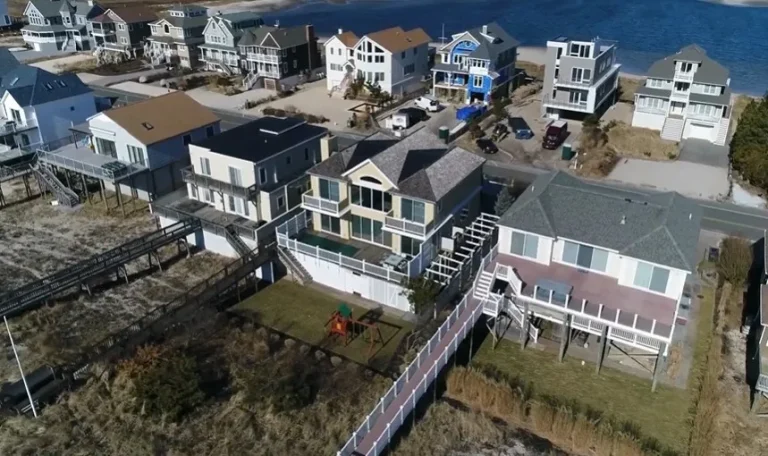
Riverview sits in Hillsborough County — squarely in hurricane country. The Tampa Bay area took serious hits from Ian (2022) and then Helene and Milton back-to-back in 2024. Your roof’s storm history matters as much as its age.
- Find out what storms this roof has seen and whether any damage was professionally repaired (with permits).
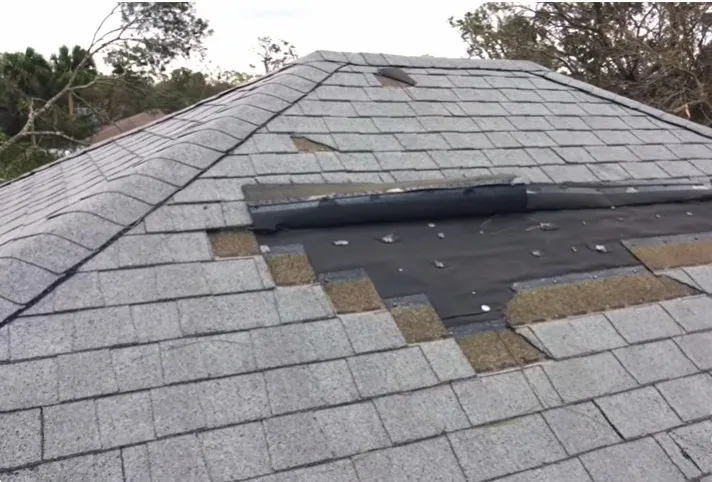
- Walk the yard after the first big rain — shingle granules in gutters mean the surface is wearing thin.
- Trim trees back from the roofline before storm season — overhanging limbs are the #1 cause of preventable puncture damage.
- Know your shutter plan: panels, accordions, or impact glass — and where the hardware is stored.
- After any named storm, get the roof checked even if you see nothing from the ground. Our storm damage roof repair guide walks through the post-storm playbook.
HOA Rules & Permit History
Many Riverview communities have HOAs with opinions about roofs — get the rules before you need them:
- Approved materials and colors: some HOAs restrict you to specific shingle colors or bar metal roofing outright. Know the palette before you plan a replacement.
- Architectural review timelines: HOA approval can take 30–60 days. Start the paperwork well before your roofer’s start date.
- Permit history: verify every past roof job on the property was permitted and closed with the county. Open or missing permits become your problem at resale or claim time.
Your First-Year Maintenance Plan
New roof or old, Florida rewards homeowners who stay ahead of it. Put these on the calendar for year one:
- Month 1: full roof inspection + wind mitigation inspection (Section 3). File the wind mitigation report with your insurer immediately.
- Before June: clean gutters, trim trees, check attic ventilation — pre-hurricane-season tune-up.
- After every tropical storm: ground-level walk-around for missing shingles, debris impacts, and gutter damage.
- Fall: re-check flashing and sealant; schedule any minor repairs before the dry season ends.
- Ongoing: keep a simple roof file — inspection reports, permits, warranties, claim paperwork, and dated photos. When you sell or file a claim, this file is worth real money.
💡 Tip: photograph your roof from the same ground spots once a year. A dated photo series makes slow deterioration obvious — and gives adjusters and buyers something concrete to look at.
New Homeowner Roofing FAQs
How old can my roof be and still get Florida homeowners insurance?
Florida law protects roofs under 15 years from age-based denial. Past 15, insurers can require an inspection — if it shows 5+ years of remaining life, they can’t refuse renewal on age alone. Many carriers prefer shingles under 15 years and tile under 20–25, so get quotes early.
Is a wind mitigation inspection worth it for a new buyer?
Almost always. At roughly $100–$150 in Tampa Bay, with typical savings in the hundreds per year and 5-year validity, it usually pays for itself within months — especially if the home has a hip roof, hurricane straps, or impact windows the seller never documented.
What’s the difference between a home inspection and a roof inspection?
A general home inspection covers the whole house briefly, including a visual roof check. A dedicated roof inspection examines the attic, decking, flashing, ventilation, and fasteners in detail with photos — the baseline you want as a new owner.
Should I replace an old roof right after buying?
Not automatically. If an inspection shows solid condition with years of life left, maintain it and budget for replacement on your timeline. Replace now only if the roof is failing, uninsurable, or the math works — for example, when insurance savings plus a warranty justify the cost.
Do I need my HOA’s approval to repair my roof?
For full replacements or material/color changes, almost certainly yes in an HOA community — and approval can take 30–60 days. Like-for-like emergency repairs are usually exempt, but check your community’s documents before scheduling work.
New to Riverview? Start with a real inspection.
Riverview FL Roofing Contractor serves Riverview, Brandon, Valrico, Gibsonton, Apollo Beach & Ruskin — open 24/7. Get your baseline roof inspection with full photo documentation.
📞 Call (813) 471-563210517 Riverview Dr, Riverview, FL 33578 · Open 24/7