Material Guide · Hurricane Season · 11 min read
Talk to a Riverview roofer before storm season — Call (813) 471-5632
Every summer in Riverview, your roof takes a beating from two directions. First comes the sun — weeks of 90-degree days that bake shingles until the asphalt turns brittle and granules start washing into the gutters. Then comes hurricane season, and the question changes from “how hot can this roof take?” to “can it stay on the house?”
Most roofing advice on the internet is written for Ohio. This is written for Florida, where those two enemies — heat and hurricanes — punish roofs at the same time. We’ll compare the four materials that actually make sense for Tampa Bay homes: architectural shingles, standing seam metal, clay or concrete tile, and TPO for flat sections. Real wind ratings, real lifespans in our climate, real cost ranges — and an honest answer about which one fits your budget and your house.
The Short Answer (Then the Details)
If you only read one paragraph: there’s no single “best” roofing material for Florida. Metal wins on wind resistance and lifespan, tile wins on longevity and classic looks, architectural shingles win on price — and they’re what most Riverview homes have. The right pick depends on your budget, your home’s structure, and how long you plan to stay.
That said, Florida is rough enough on roofs that the comparison isn’t close on every point. Here’s the full picture.
In This Guide
1. Architectural Shingles — The Popular Choice
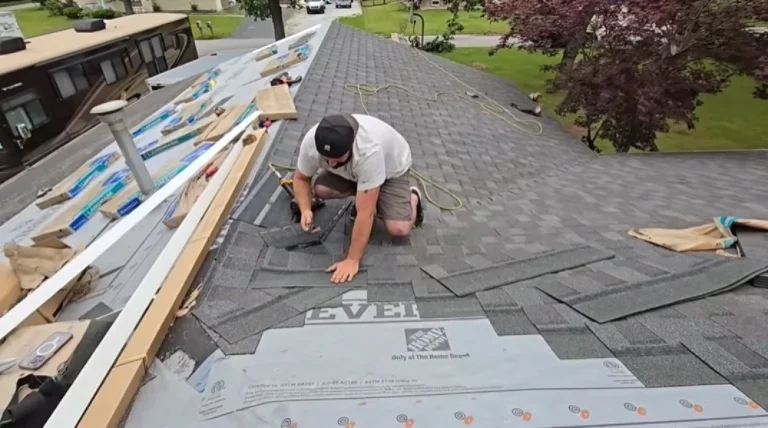
Walk through Summerfield, Panther Trace, or any of Riverview’s big subdivisions and you’ll see it: architectural (dimensional) shingles on most of the roofs. There’s a reason. They cost a fraction of metal or tile, every roofer installs them, and modern Class H shingles are rated for winds around 130 mph when installed to code.
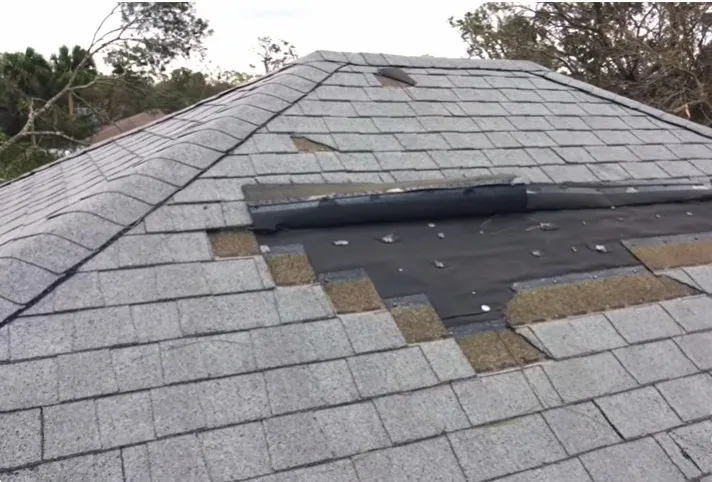
But Florida heat is the great equalizer. That 25–30 year manufacturer rating is a national number. In Riverview, architectural shingles realistically last 15–22 years — the asphalt dries out under our UV, the shingles turn brittle, and granule loss accelerates every summer. Dark streaks of algae creep down the slopes. We’ve covered the full warning list in our post on the signs your roof is already wearing out.
Best for: budget-conscious homeowners, homes you’ll sell within 10–15 years, and any house where the structure wasn’t built for heavy tile.
Watch out for: 3-tab shingles are still sold, and they’re the wrong answer in Florida — they top out around 10–15 years here and don’t handle wind nearly as well. Always architectural, never 3-tab, on a replacement.
Pro Tip: Impact-rated (Class 4) architectural shingles cost a bit more but carry a UL 2218 impact rating against debris — and some insurers offer premium discounts on them. Ask your insurer before you buy.
2. Standing Seam Metal — The Hurricane Champion
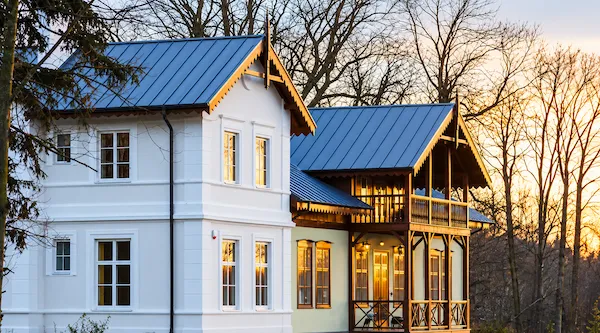
Standing seam metal panels run vertically with hidden fasteners, so wind has almost nothing to grab. Properly installed systems are rated to 150–160 mph, and they have the best real-world hurricane record of any common residential roof — post-storm surveys after the 2004–2005 hurricanes found metal roofs had the fewest problems. A 40–60 year Florida lifespan is realistic, which means a metal roof is often the last roof you’ll buy for the house.
Heat? Metal reflects far more of it than dark asphalt, so attic temperatures drop and cooling bills follow. Rain? Panels shed water fast — no individual tabs to lift. And the finish matters: lighter colors and premium PVDF-based paint coatings hold up noticeably better to Florida’s UV than darker or bargain finishes, which can chalk and fade years earlier. If you’re paying for metal, don’t let anyone talk you into the cheap finish.
The trade-off is price: standing seam typically runs 2–3x the cost of architectural shingles (see our roof replacement cost guide for Riverview ranges). And installation quality is everything — a metal roof is only as storm-proof as its fastening and trim work. Cheap screws, bad flashing, or a crew that doesn’t specialize in metal can turn the “best” material into a liability.
Best for: homeowners staying 20+ years, homes near open water or higher wind exposure, anyone who never wants to re-roof again.
Warning: Exposed-fastener metal (agricultural panels) is cheaper but NOT the same thing. The exposed screws back out over time in Florida heat, and they’re the #1 source of metal roof leaks we see. For residential hurricane performance, insist on standing seam.
3. Clay & Concrete Tile — The Heavyweight
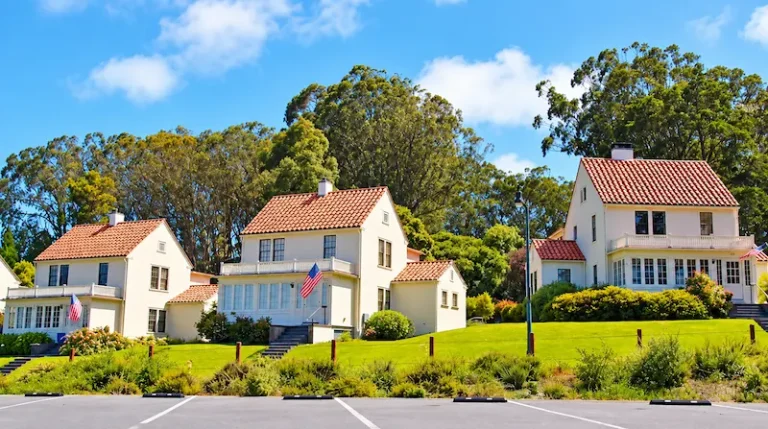
Tile roofs are the South Florida classic, and for good reason. Clay tile is essentially immune to UV — it never loses color, never dries out, never degrades in heat. Concrete tile is even heavier and is rated up to 180 mph wind resistance in manufacturer testing. Tile life of 40–50+ years is realistic.
But there’s a catch every Riverview homeowner needs to know: the tiles aren’t the roof — the underlayment is. The waterproofing membrane beneath tile typically wears out around year 20–25 in Florida’s heat, long before the tiles themselves. At that point you’re paying for a “tile lift and re-lay” — expensive, though cheaper than a full replacement.
Tile is also the heaviest option. Some homes can take it as-is; others need structural reinforcement, which adds thousands to the job. And while tiles resist wind well when fastened with foam adhesive or screws, nailed-on tile underperformed in past storms — installation method matters as much as the material.
Best for: Mediterranean/Spanish-style homes where the look fits, homeowners who value curb appeal plus longevity, anyone who wants a roof that outlives their mortgage.
4. TPO & Flat Roof Systems (Brief)
Most Riverview homes are pitched, but porches, additions, garages, and low-slope sections need a different answer. TPO (thermoplastic polyolefin) is the modern standard for flat and low-slope Florida roofs: heat-welded seams that hold in wind, a white reflective surface that fights heat gain, and typically 15–25 years of service at a cost well below metal.
The honest limitation: TPO lives or dies by installation. Ponding water from poor drainage, punctures from foot traffic, and failed welds are the three things that kill flat roofs in Florida. If your home has a flat section, get it inspected by someone who does flat roofing — not just a shingle crew that “can do it.”
| Material | Realistic FL Lifespan | Wind Rating | Heat Performance | Cost Tier (installed, typical Riverview home) | Best For |
|---|---|---|---|---|---|
| Architectural shingles | 15–22 yrs | ~130 mph | Fades; asphalt degrades in UV | $ (10k–22k) | Budget, selling within 10–15 yrs |
| Standing seam metal | 40–60 yrs | 150–160 mph | Excellent — reflects heat | $$$ (20k–55k+) | Staying 20+ yrs, max storm protection |
| Clay/concrete tile | 40–50+ yrs (tiles); underlayment ~20–25 yrs | 150–180 mph | Excellent — inert, no UV damage | $$$$ (25k–70k+) | Curb appeal, Mediterranean homes |
| TPO (flat/low-slope) | 15–25 yrs | System-dependent | Very good — reflective | $$ (12k–35k+) | Porches, additions, low-slope sections |
Note: cost ranges are broad market ranges for typical Riverview homes, not quotes — see our blog roof replacement cost guide for what drives them.
The Heat Enemy Nobody Warns You About
Everyone shopping for a “hurricane roof” focuses on wind ratings. But in Riverview, heat kills more roofs than storms do. The daily reality:
- UV breaks down the asphalt in shingles year-round, making them brittle and prone to wind damage before any hurricane arrives.
- Humidity feeds algae that streaks and holds moisture against the surface.
- Thermal cycling — hot days, cooler nights — expands and contracts every material, working fasteners loose over time.
This is why a roof’s national lifespan number is a fantasy in Florida. Always ask about the Florida-realistic lifespan, and plan your budget around it, not the brochure.
Hurricane Wind Ratings: What the Numbers Actually Mean
Florida Building Code requires every roof system to be engineered and tested for the wind loads in its zone — and coastal Florida zones carry some of the highest requirements in the country. When you see a wind rating like “130 mph” or “150 mph,” that number describes the tested system: the material plus its fastening pattern, decking, and edge detailing. A 150 mph panel installed with the wrong fasteners is not a 150 mph roof.
One more thing installers get wrong: edge and ridge detailing is where most hurricane roof failures start. Ask any roofer quoting your job what their plan is for drip edges, starter strips, and sealed deck seams. If they can’t answer clearly, that’s your answer about the roofer.
Installation Matters More Than the Brochure
Here’s the uncomfortable truth in our business: the material is maybe half the equation. Post-storm investigations after Florida’s big hurricane seasons keep reaching the same conclusion — most roof failures trace back to age or bad installation, not the material on paper.
Metal roofs installed with the wrong screws still leak. Tile fastened with nails instead of foam adhesive or screws underperformed in past storms. And shingle roofs re-roofed directly over old shingles came off in large sheets during high winds — the new layer had nothing solid to bond to.
When you get quotes, the material choice is the easy part. The questions that separate a good roofer from a cheap one:
- Will this be a full tear-off, or layered over the old roof? (Insist on tear-off.)
- What fastening pattern and fastener type are you using — and does it match the manufacturer’s high-wind spec?
- How are you handling the edges, valleys, and penetrations?
- Are you licensed and insured in Florida, and can I see proof?
A great installer with architectural shingles will outperform a sloppy crew with premium metal. Every time.
Cost vs. Lifespan: The Math That Matters
Stickers lie; cost-per-year doesn’t. Take the middle of the typical Riverview ranges:
- Architectural shingles: ~$16,000 ÷ 20 years = ~$800/year
- Standing seam metal: ~$37,500 ÷ 50 years = ~$750/year
- Tile: ~$47,500 ÷ 50 years (plus one underlayment job) = ~$1,000+/year
Metal often costs less per year than shingles if you stay in the home. Shingles win if you’re selling soon or cash flow is tight. This is the honest math most contractors won’t show you — run it against your own timeline before deciding.
Riverview-Specific Considerations
A few local realities that shape the decision here:
Storm exposure. Riverview sits on the Tampa Bay side of Florida — we’ve watched storms like Ian (2022) remind everyone that “it can’t happen here” is not a plan. Hurricane season runs June through November, and even tropical systems that miss the Bay by 50 miles bring gusts strong enough to find a weak roof. If you’re replacing a roof between March and May, you’re racing the season — don’t pick a material whose lead time pushes the job into September.
HOAs. Many Riverview communities have architectural review boards with opinions about roofing. Metal and tile usually pass on style grounds, but some HOAs restrict panel colors or require specific profiles. Check your covenants before falling in love with a standing-seam color chart — and get approval in writing.
Salt air. We’re inland enough that salt corrosion isn’t the concern it is on the beach, but coastal-grade fasteners and coated metal panels are still cheap insurance for any home within a few miles of the bay. Your roofer should be using stainless or properly coated fasteners regardless.
Energy bills. Summer cooling is the other invisible cost. A reflective metal or light-colored tile roof can noticeably cut attic heat versus dark shingles — worth factoring into the cost-per-year math if your AC runs hard from May to October.
Keeping Any Roof Alive in This Climate
Whatever you choose, Florida roofs reward maintenance more than any other climate. The simple stuff adds years:
- Clean the algae. Those black streaks hold moisture against the surface and speed up wear. Low-pressure washing (never high pressure on shingles — it strips granules) with an appropriate cleaner, or zinc/copper strips near the ridge on shingle roofs, keeps growth down.
- Clear debris. Palm fronds and oak leaves trap moisture and stain surfaces. After any tropical system, walk the property and look up.
- Inspect annually. One professional inspection a year catches lifted shingles, cracked tile, loose flashing, and failing sealant before the next storm does. If your roof is showing its age, don’t wait for hurricane season to decide for you.
- After a storm, document first. Even minor hail damage or lifted shingles should be photographed before any repair or tarping — your future insurance claim depends on it.
The Insurance Angle
Your material choice can show up on your insurance bill. Class 4 impact-rated shingles (tested under UL 2218 against falling steel balls simulating hail/debris) can earn premium discounts with participating insurers — always confirm with your carrier, since Florida policies vary wildly. Re-roofing to the IBHS FORTIFIED Home standard (sealed roof deck, ring-shank nails, enhanced edges — rated for 130+ mph winds) is another documented path to discounts and, more importantly, a roof that holds water out even if shingles blow off.
Either way, after any storm, document damage before anyone touches the roof — our guide on how to file a roof insurance claim in Florida walks through the process step by step, including Florida’s hurricane deductible and the post-2022 claims rules.
Pro Tip: Going metal or tile? Tell your insurer BEFORE the job. Some carriers require pre-installation documentation to apply material discounts.
Our Pick for Riverview Homes
Honest ranking, no hype:
- Standing seam metal — if you’re staying in the home 20+ years and the budget fits. Best wind record, longest life, best heat performance.
- Architectural shingles (Class 4 rated) — if budget matters now or you’ll sell within 15 years. The smart-money play for most Riverview neighborhoods.
- Tile — if the architecture calls for it and the structure supports the weight. Beautiful, nearly indestructible to heat.
- TPO — for flat sections only, never as a whole-house pick on a pitched roof.
None of these are wrong. The wrong choice is buying on price alone without factoring lifespan, wind exposure, and how long you’ll own the home. Get quotes on two materials before you sign — the comparison is free, and the math might surprise you.
The five-minute gut check: if the house is paid off or you’re staying put, lean metal or tile. If you might move before the kids finish high school, shingles are the rational call — a roof that’s five years old at listing time is a selling point, not a discount trigger. If the budget is the hard ceiling, get the best installed shingle roof you can: tear-off, quality underlayment, and a crew that answers the fastener questions. That roof will serve you better than a cut-rate metal job ever will.
Not sure which roof fits your home?
We’ll inspect your roof, walk through the options honestly, and give you a straight price. 24/7 in Riverview, Brandon, Valrico, Gibsonton, Apollo Beach & Ruskin.
Call (813) 471-5632FAQ
What is the best roofing material for hurricanes in Florida?
Standing seam metal has the strongest tested wind ratings (up to 150–160 mph) and the best post-storm track record. Concrete tile is close behind when properly fastened. For budget builds, Class 4 impact-rated architectural shingles installed to code (~130 mph) are the best value.
Does metal roofing really handle Florida heat better?
Yes. Metal reflects solar heat instead of absorbing it like dark asphalt, which lowers attic temperatures and cooling costs. It also doesn’t dry out, crack, or lose granules in UV — the main ways heat destroys shingle roofs.
How long does a shingle roof last in Florida?
Realistically 15–22 years for architectural shingles — far less than the 25–30 year national rating. Florida’s UV, heat, and humidity age asphalt much faster.
Is tile roofing worth the cost in Florida?
If the home’s structure supports the weight, yes — the tiles themselves can last 50+ years and shrug off UV completely. Budget for underlayment replacement around year 20–25, which is the real maintenance event on a tile roof.
Will a new roof lower my homeowners insurance?
Often, yes. Class 4 impact-rated shingles and roofs built to the IBHS FORTIFIED Home standard can qualify for premium discounts with participating insurers. Confirm with your carrier before the job and keep documentation.
What roofing is best for a flat roof in Florida?
TPO is the standard pick for low-slope roofs: heat-welded seams, reflective white surface, and typically 15–25 years of service. Proper drainage and experienced flat-roof installation matter more than brand.
Should I get metal or shingles if I plan to sell in 10 years?
Shingles. You’ll never recover a metal roof’s premium in that window, and a newer architectural shingle roof with transferable warranty sells just fine.
Can I put a tile roof on my existing home?
Sometimes — but the structure has to be verified first. Tile is by far the heaviest roofing material, and many homes built for shingles need reinforcement. A reputable roofer will have the framing checked before quoting tile. If the quote doesn’t mention a structural check, that’s a red flag.
What’s the difference between standing seam and 5V metal roofing?
Both are legitimate in Florida, but standing seam’s hidden fasteners give it the edge in wind performance and long-term leak resistance. 5V (exposed-fastener) panels cost less upfront but the screws need periodic maintenance as they loosen in heat cycles. For a forever roof, standing seam is worth the upgrade.